
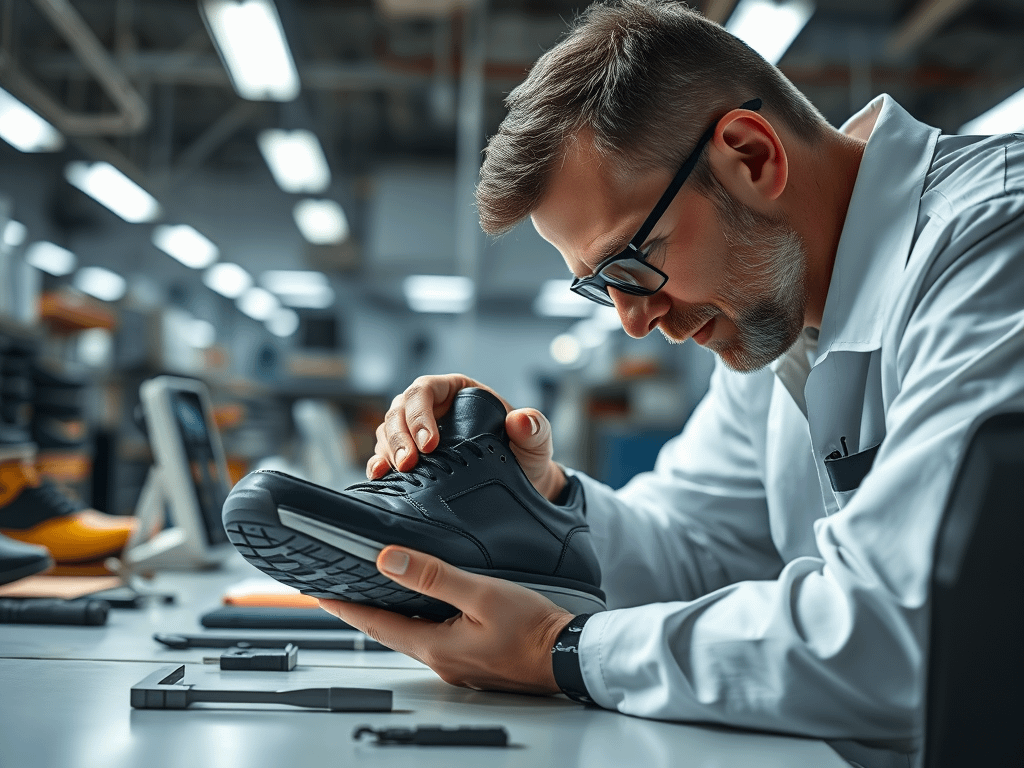
Quality matters more than appearance in the shoe industry. Each shoe pair must deliver the same durability, comfort, and customized fit to consumers. To achieve consistent quality, brands rely on the footwear quality control process. This process checks all the production stages.
From material quality inspection to final packaging, the quality check process helps brands maintain loyalty among users.
Here, we will dive deep into the footwear quality process so you know what to check while manufacturing shoes.
Common Quality Defects in Footwear
The private label shoe manufacturers follow strict guidelines to make durable and consistent shoes. But many defects can slip through during the manufacturing process. These defects can be:
- Visual flaws: Shoe appearance is the first thing that customers notice. Common defects like color inconsistencies, surface marks, and unfinished edges can affect shoe marketability.
- Construction Issues: Shoe construction plays an important role. Bad stitching can damage the integrity of the shoes.
- Material Flaws: Material quality sets the durability of the shoes. Poor or rough materials with blemishes affect the shoe quality.
- Size & Fit Problems: People look for shoes that fit properly and provide comfort to their feet. Poor sizing makes the shoes either loose or tight. Also, the improper fitting causes discomfort.
- Functional Failures: Poorly attached soles can detach, and defective zippers can compromise shoe fit.
Tools & Technology Supporting Quality Control
Modern technology has strengthened the shoe inspection process. Automated systems reduce human error and improve consistency across mass production.
- Digital measurement systems and scanners capture precise shoe dimensions that ensure each pair matches the original design.
- Data tracking software records shoe inspection results and helps to analyze quality trends over time.
- Automed testing machines with controlled settings help to check durability, flexibility, and stress resistance.
The use of these advanced tools has made the footwear factory quality control more reliable. They also allow manufacturers to identify recurring problems and quickly resolve them for better shoe quality management.
Footwear Inspection Checklist
A clear QC checklist shoes will help you to ensure everything works fine. Here are the key components of the list:
- Order Matching: Verify that the number of shoe pairs made matches the order quantity.
- Sampling Method: For large shipments, use statistical sampling methods.
- Documentation Review: Cross-check all shipping documents.
- Packing Visual Check: Verify the packing method, correct content, and retail package artwork.
- Barcode Visual Check: Confirm that barcodes are properly positioned and clean.
- Shipping Marks: Confirm the product specifications and label positions.
- Label Accuracy: Verify that labels are applied correctly.
- Packaging Integrity: Look for signs of damage.
- Style Consistency: Confirm that the shoe style matches the client’s brief.
- Standards Verification: Compare product style and materials with the approval sample.
- Material Verification: Ensure all materials meet the quality standards specified by the client.
- Label Legibility: Check that labels are to the point and meet client specifications.
- Construction Quality: Inspect construction elements like bonding and stitching.
- Weight Measurement: Ensure the shoe weight/size matches the product specifications.
- Fitting Check: Test shoes on a person’s feet or a model’s feet to ensure a perfect fit.
- Logo Placement: Verify that logos are correctly placed across all shoes.
- Measurement Data: Record and compare measurements with standards to ensure consistency.
- Marking Accuracy: Verify all marketing, like size and product codes, are accurate.
What’s Included in the Footwear Quality Control Process
Users expect identical shoe pairs, no matter whether they buy from local retailers or online stores. With a robust footwear quality control system, brands offer consistent products, reduce returns, and ensure cost efficiency. Here’s how the process works:
1. Raw Material Inspection in Footwear Quality Control Process
The shoe QC process starts with the checking of raw materials. Leather, rubber, synthetic materials, and adhesives play an important role in the durability and comfort of the shoe. With strict quality inspection shoes, manufacturers pick only the best materials to move forward. To ensure consistency, manufacturers:
- Apply standardized operating procedure across factors
- Train workers on inspection methods
- Use sampling techniques for large production runs
- Implement continuous improvement through customer feedback
They must verify that the leather has the right grain, adhesive provides long-lasting bonds, and textiles meet tear resistance levels. These initial material checks make up the backbone of shoe quality assurance.
2. Component Verification
After the materials, other shoe components are inspected carefully. Insoles, soles, eyelets, and laces go through deep verification before assembly. These QC steps footwear ensure that all parts are compatible.
Like, a mismatch between the sole and the upper can ruin both durability and comfort. A robust quality check in shoes at this phase ensures every piece aligns with design specifications and can withstand daily wear.
3. In-Process Quality Checks During Footwear Quality Control Process
Constant monitoring is essential during assembly. The QA team maintains uniformity by checking stitching, bonding, and shaping. These critical checks help manufacturers to identify issues before they affect the entire batch.
A strong shoe factory inspection also catches uneven bonding, skipped stitches, and distorted shapes.
Early footwear defect checking reduces wasted materials and ensures the shoes meet both performance and design standards.
4. Final Product Inspection
The final pair undergoes strict evaluations after assembly. This is a crucial step in the shoe quality control testing process. At this stage, the team checks
- Comfort
- Shoe Fit
- Size Accuracy
- Strength
- Durability
- Flexibility
All these checks are made under real-world conditions. Fit trails ensure the shoe matches the sizing charts.
The durability tests confirm it can withstand real-world stress. It reflects the importance of shoe production QC, where even small inconsistencies are addressed before reaching customers.
5. Packaging and Label Review in Footwear Quality Control Process
The last step in the quality check process is shoe packaging and labeling. The team verifies
- Size tags
- Bar codes
- Packaging integrity
A slight mistake here can lead to distribution mix-up, shipment delays, and dissatisfied users.
This phase aligns with footwear QC standards and ensures that shoes arrive in stores with intact packaging and accurate labels.
It fulfills the quality check process shoes and ensures consistency until the product reaches the consumer.
Wrapping Up
The footwear quality control process helps to ensure every shoe pair has consistent quality.
From initial material checking to final packaging, each step is vital in building consumer trust and reducing waste.
Brands can earn a huge profit with a great reputation in the market by using advanced tools, following quality standards, and relying on skilled labor.

