
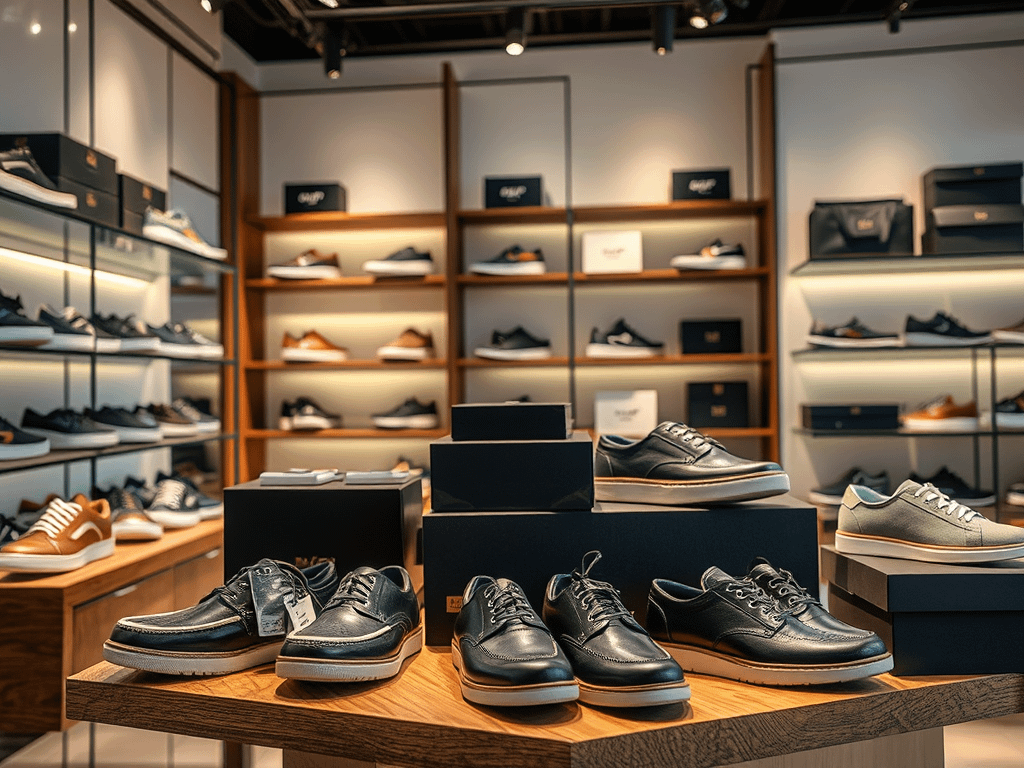
White label shoes have changed the way retailers approach shoe production and branding.
They allow retailers to sell shoes under their brand name without setting up manufacturing units.
People are also looking for sustainable shoes that motivate retailers to work with a white label shoe manufacturer.
They are searching for personalized and top-quality shoes at reasonable rates. To keep up with this trend, it is best to adopt a white label shoe business model.
A white label footwear allows businesses to boost their product lines without investing more money.
There are many more benefits of collaborating with a private label shoe supplier that we will discuss in this blog. So, let’s delve in.
10 Best Reasons Why White Label Shoes Are The Future of Retail Success
Here are some best reasons that will help you know why white label shoes are the future of retail success. Take a look at them.
1. High Profit Margin
While label shoes are becoming the future of the retail business because they produce high profit margins.
A white label shoe factory manufactures products in bulk quantities, which means lower production costs.
Due to low production expenses, they sell at a low cost per unit that benefits retailers. After buying at low rates, retailers can increase the shoe price as per their budget and earn profits.
Retailers can also have better control over pricing with custom shoe manufacturing. They can offer personalized shoe options to consumers to attract them.
With this facility, they can manufacture shoes as per the consumer’s style needs and sell them at high prices.
2. Speed To Market
Producing shoes in bulk quantities is not enough if you can not launch them to market on time. Speed is one of the crucial factors to achieve success in this fast-paced shoe market. That’s why retailers should speed up and invest in trends.
With white label footwear, retailers can easily bring products to market quickly as compared to other manufacturing models.
Furthermore, teaming up with a private label shoe supplier ensures that shoe production is streamlined.
Shoe designs are ready for customization, and logistics are in place. This speed is helpful for launching a new private label shoe line. It also helps retailers to fulfill seasonal demands.
3. Better Control Over Branding
Working with a white label does not mean that you can only offer generic shoes. Retailers can team up with a private label footwear manufacturer to make unique shoe designs.
They can also incorporate specific materials, features, and branding elements to boost the shoe’s integrity.
Moreover, white label shoe companies allow retailers to decide the packaging of the custom shoes. They can create custom boxes and bags that align with their brand identity to boost customer loyalty.
Overall, with custom shoe branding, retailers can control how their product will look after final testing. Whether they want to offer exclusive private label sneakers or simple shoes, they have endless customization options.
4. Low Operational Costs
Making a production unit from scratch requires a lot of investment. Also, buying materials, hiring labor, and handling the manufacturing process require a lot of time and attention.
Dealing with all these is a tough job. That’s when white label shoes come into action. A white label shoe factory handles the whole manufacturing infrastructure.
They take care of everything and help retailers save on high upfront costs. White label shoes also allow retailers to take care of other aspects of the business.
Because of this, white label shoe manufacturers are becoming the top choice of retailers, startups, and businesses.
5. Adapt Quickly To Market Trends
With technological development, the fashion trends are also changing rapidly. Traditional manufacturing methods take a lot of time to shift from concept to final product. Most of the time, the trend gets outdated when the manufacturers realize it.
However, white label footwear has minimized the turnaround times. Retailers can confidently test new designs without taking much risk.
They can also make quick adjustments. With a private label shoe production model, retailers can quickly adapt to changing consumer behavior.
6. Unique Product Offering
A retailer needs to offer unique shoes to stay competitive in the market. White label shoes help retailers to sell unique shoes that no other brand is selling.
Because of this exclusiveness, retailers can have a competitive edge in the market. They can get consumers’ attention and boost loyalty.
Retailers can also make their unique product lines that align with their identity by teaming up with a private label shoe design partner. It is also easy to generate more revenue by selling custom-branded shoes.
7. High Business Scalability
White label shoes offer scalable solutions to all types of retailers. With growing demand, white label shoe manufacturers can boost production without internal expansion.
Retailers don’t need to spend money on hiring staff, buying machinery, or supply chain logistics. Also, with a reliable private label footwear manufacturer, retailers can go from testing to full-scale production.
8. Enhanced Customer Loyalty
Consumer demand for authenticity and uniqueness. With a unique white label shoe brand, retailers can build an emotional connection with the audience. When consumers link the product with your brand identity, they will be more likely to shop again.
To gain more audience trust, add personalized touchpoints, storytelling, and brand experience in custom shoe branding. In this way, your private label shoe business will build a lasting relationship with customers.
9. Access To Top Manufacturing
White label shoe companies have deep knowledge of design, materials, and production processes. This means that without having in-house technical expertise, you can produce quality footwear that meets industry standards. So you must collaborate with an expert private label shoe supplier and reduce errors in production to ensure high quality.
10. Better Flexibility in Product Lines
White label shoes make it easy for retailers to expand their business into new categories. They can add private label sneakers, eco-friendly slip-ons, and exclusive shoes to the business.
All this is possible because of the flexibility of private label shoe design. White label allows brands to experiment with a variety of shoe materials, designs, and packaging styles without wasting much money.
They can test and launch different shoe styles and grab audience attention, which will help in more sales.
Summing Up!!!
White label shoes offer strategic advantages to modern retailers. They help businesses to boost their profit margins and brand identity.
Besides that, a white label shoe company offers extensive benefits. Retailers can launch their private label shoe line or expand their existing business to grow in the market.
Simply with a private label shoe production, retailers can respond to trends quickly and offer exceptional shoes.

