
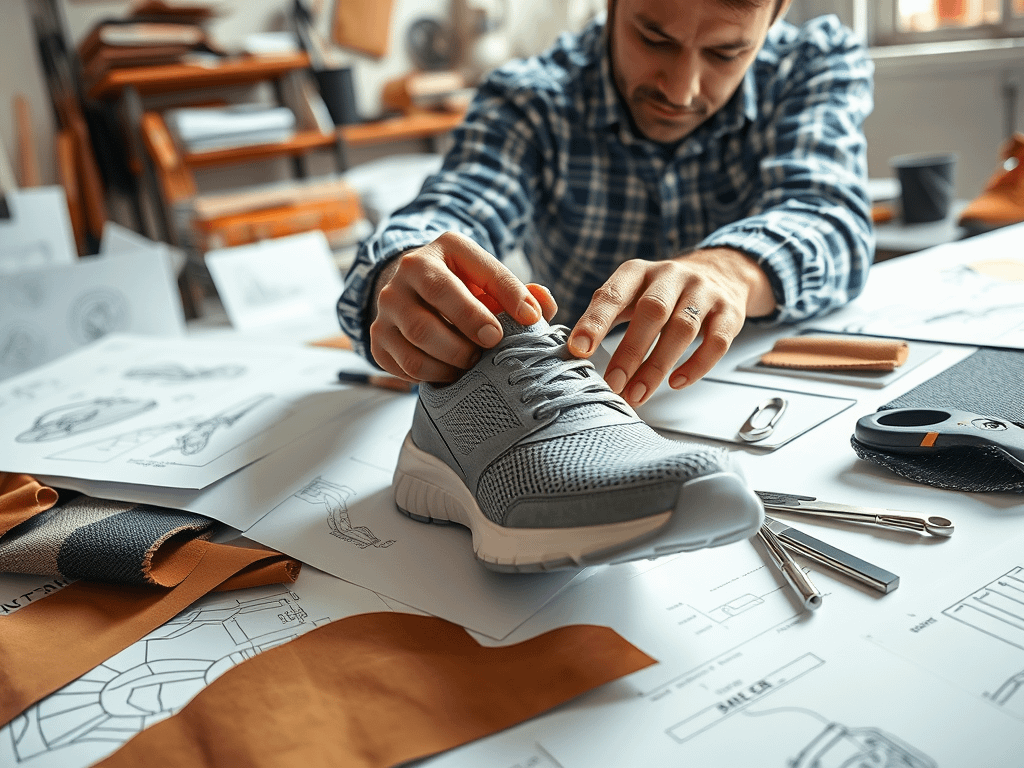
Custom shoe manufacturing has seen significant changes in recent years due to growing consumer demands and advancements in technology.
It is now serving private labels, established brands, and startups. With custom shoes, both brands and consumers are showing their individuality.
Custom manufacturing is not about just placing a brand logo on the shoes; it is a complete process.
From raw product ideas to the final product, custom shoe manufacturers handle everything.
In this blog, we will discuss how the shoe manufacturing system works to give you a finished product from a rough design.
Step-by-Step Process of Custom Shoe Manufacturing
Looking forward to working with a custom casual footwear production factory, but don’t know how it works?
Here is a step-by-step guide on the strategic approach that shoe factories follow to build comfortable and durable shoes. Let’s take a look.
1. Shoe Conceptualization
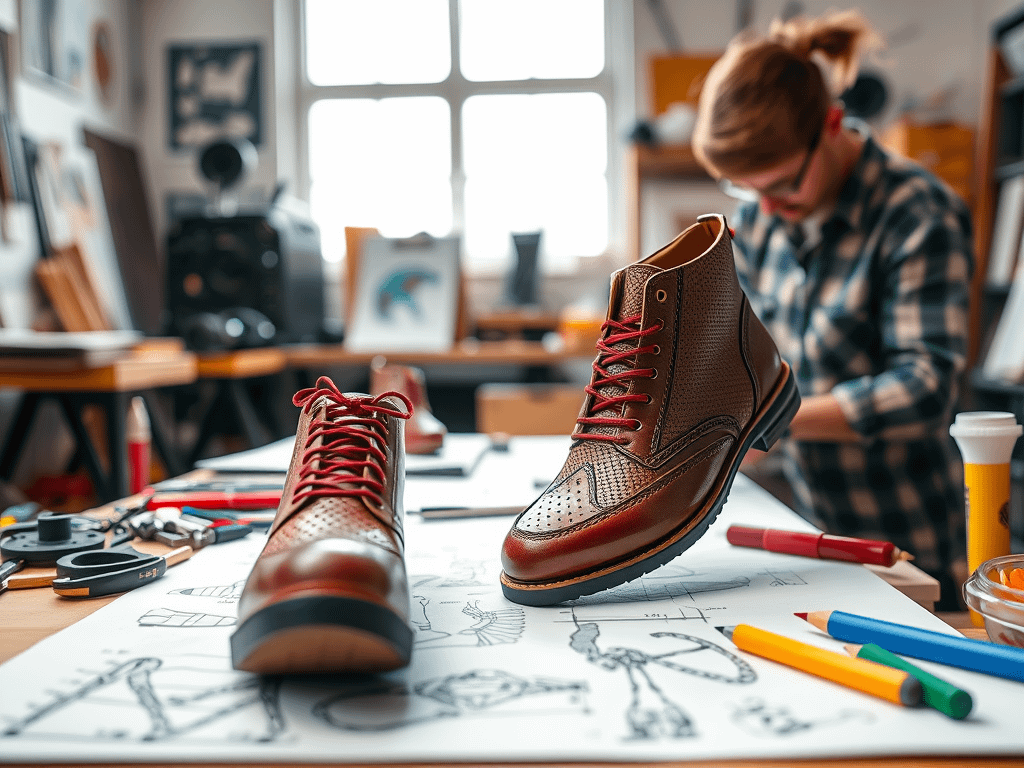
The custom shoe manufacturing process starts with a basic shoe idea. The client comes with a vision.
It can be anything, such as a unique design, exquisite material choice, or distinctive style. The custom shoe prototyping and development teams refine the basic vision into a practical design.
The design team uses material swatches, mood boards, and sketches to make the initial design.
For personalized custom shoe manufacturing China, many factories offer in-house design support. Due to stabilized and practical designs, this initial stage goes smoothly.
2. Material Selection
The technical team makes blueprints of the shoe idea. To make perfect shoes, they notice the small details like lining, eyelets, stitching, outsole, material types, shoe sizes, shoe colors, and much more.
They make a document with these details and select the right materials for shoe production.
Choosing the right materials is necessary as it defines look and performance, whether the focus is on athletics, casual wear, or high fashion.
Leather is used to make high-end shoes. A premium custom leather shoes manufacturer works with top-grain, suede, full-grain, or suede leather to make quality shoes.
For eco-friendly custom shoe production China, many manufacturers are using plant-based or recycled mesh uppers to make shoes.
Some factories even pick EVA, Rubber, or Bio-based materials to make shoes according to users’ preferences and shoe purpose.
3. Shoe Prototyping
After design and material selection, manufacturers make the shoe prototype. It helps clients visualize what the actual production will look like after production.
It is a critical phase as the team fixes all shoe issues here, including style, fit, and stitching. With an agile custom shoe manufacturing process, brands can ask for multiple prototype changes until they are satisfied.
Sometimes brands test the shoe prototype with early customers or influencers to gather feedback before beginning mass production.
To collect consumers’ feedback, shoe factories offer custom shoe manufacturing with low MOQ.
4. Shoe Testing
The shoe prototype goes through multiple tests, including technical and wear tests. These tests ensure durability, comfort, and strength.
The shoes designed for athletes go for rigid tests to check performance under pressure. A custom athletic shoe manufacturing OEM setup can better imitate training, running, or court movement conditions.
If any problem occurs, the team makes changes. It can be anything: a change in stitch placement, quality of material, or the fitting. The aim is to fix every tiniest detail before starting the full production.
5. Production Setup
After the prototype gets approved, the team prepares for mass manufacturing. They organize raw materials, set up machines and shoe molds, finalize production timelines and costs, and confirm logistics and packaging.
Shoe factories with scalable custom shoe manufacturing partner services help brands to have a scalable business.
In this stage, the brand and manufacturer agree on pricing, lead time, and order size. A custom casual footwear production factory allows for smaller runs to take consumers’ opinions to save the client’s investment.
6. Bulk Shoe Production
Once everything gets set up, the manufacturer begins the mass production. The materials are cut into different shapes for the sole, lining, upper, and midsole.
The experienced workers sew the shoe pieces together, quality lasts are used to form the durable shoe shape, and the outsole is either glued or stitched to the upper as per the design requirement.
After that, the team cleans and trims the shoes, does their branding, and performs multiple quality checks.
A private label custom shoe factory solutions provider emphasizes quality checking to ensure consumers get comfortable and durable shoes.
Each shoe pair is tested for check defects, glue marks, color mismatches, and sizing. Most of the custom shoe design and manufacturing Europe factories tend to mix hand-finishing techniques with the latest machines for a precise touch.
7. Shoe Packaging
After shoe production, the team does branding. They add labels, logos, and custom brand elements to shoes.
They also pack shoes in custom packaging materials and even add inserts. With custom packaging, brands can elevate their story to consumers.
A custom branded shoe production Middle East sometimes offers regional packaging options to appeal to a targeted market.
However, many shoe brands go with sustainable packaging options like reusable shoe bags, recycled cardboard, or biodegradable wraps if they are working with a custom sustainable footwear production line.
8. Shipping and Distribution
After product packaging, shipping is the last step. According to the client’s budget and production timeline, the manufacturer picks the right shipping method. It can be either air freight, sea freight, or courier.
For huge orders like made-to-order custom sneakers wholesale, shoe brands need flexible timelines to prepare for retail launches.
Many private label factories provide warehouse services, which is helpful for startups that don’t have a logistics setup yet.
Summing Up
The custom manufacturing process is straightforward and helpful for brands. They can offer personalized products to users and stand out from the competition.
They can turn their brand vision into practical designs using the expertise of designers, engineers, and hard-working labor.
With an agile development process, brands can bring any kind of design to life, even the bold ones.
Also, with premium material selections, they can deal with consumers across different countries.
So, partner with a label manufacturer now and avail the bespoke custom shoe manufacturing services.

