
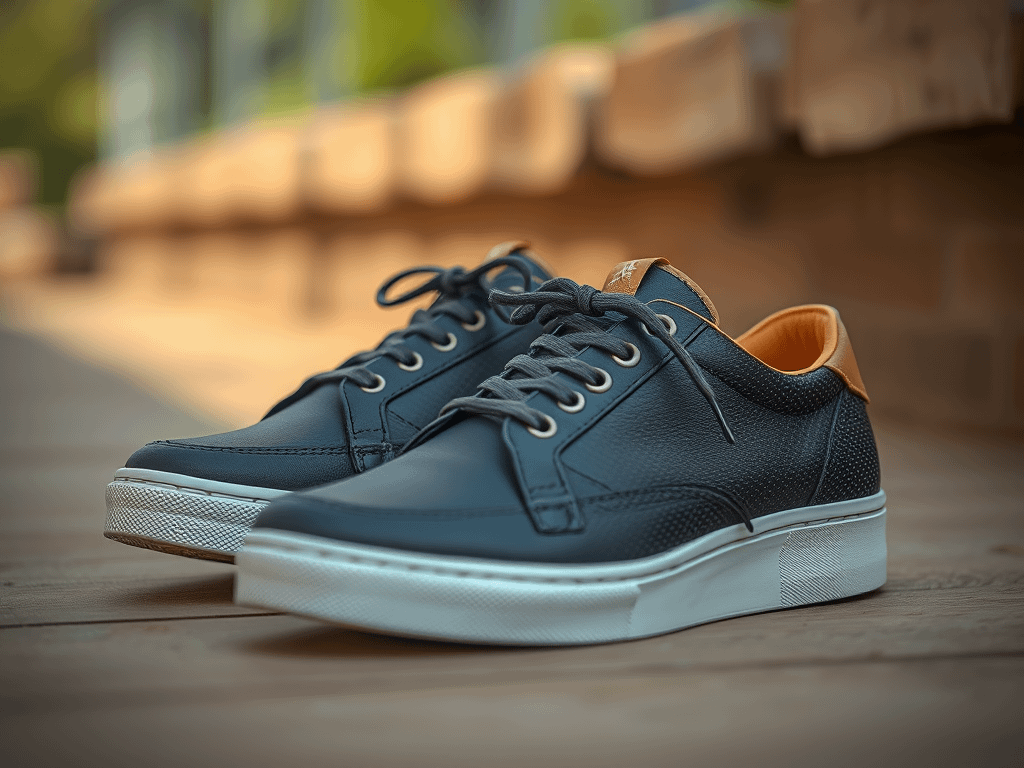
Custom shoes have become a statement as they reflect a brand’s unique identity and values.
However, while ordering custom shoes through a label manufacturer, many brands make mistakes that lead to poor sales, poor inventory management, and poor brand reputation.
If you want to avoid these common custom shoe manufacturing mistakes, it is essential to know what they are.
In this blog, we will share these mistakes with you, so you can make a structured plan before investing your hard-earned money.
Top 10 Custom Shoe Manufacturing Mistakes
Here are some custom shoe manufacturing mistakes that new brands often make. Take a look at them.
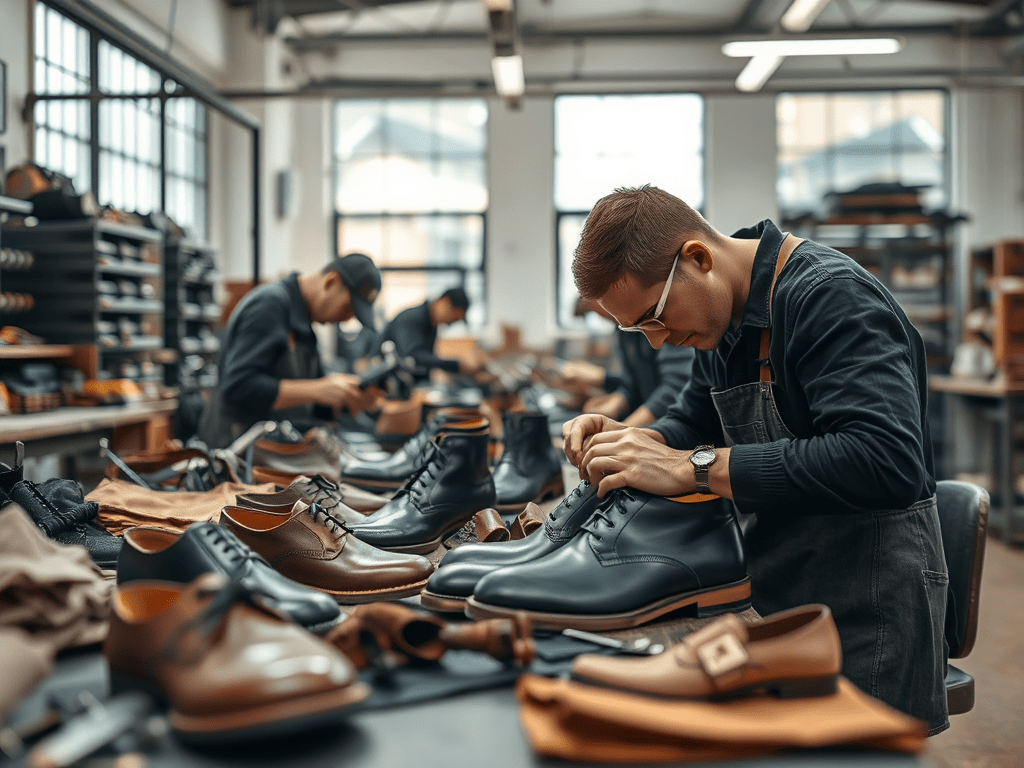
1. Poor Foot Measurement for Custom Shoes
Many brands skip precise foot measurements when making a custom order. The minor shoe sizing mistake leads to unhappy customers and high return rates.
These mismatched sizing issues in custom shoes are very common. Reliable shoe manufacturers work with different size standards like the US, EU, and UK.
Brands should provide exact measurement charts and confirm units to avoid this mistake. Also, they should use a consistent size guide or ask for sample products before starting mass production.
2. No Sample Before Bulk Order
Sample prototypes help brands to test shoe fit, color accuracy, comfort, and stitching. Failing to test custom shoe prototypes can be dangerous for brands.
With prototypes, brands can find ways on how to avoid custom shoe prototyping errors early. They can test the shoe on real feet, spot defects, and make sure it aligns with the brand vision.
Brands should always demand a sample, no matter the cost. It’s the only chance to fix small shoe problems before they become expensive ones.
3. Style Over Comfort in Custom Shoes
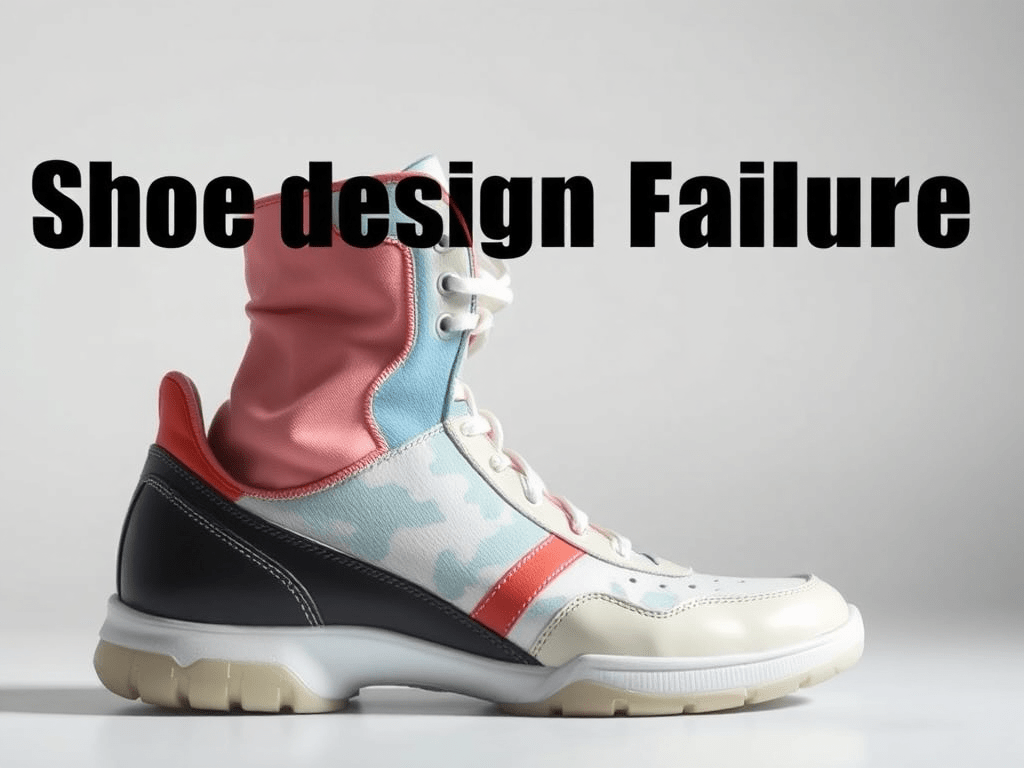
Design is important, but brands often chase bold visuals at the cost of comfort. This is one of the most expensive custom shoe manufacturing mistakes because comfort directly impacts wearability.
Brands must focus on making perfect-fit shoes by picking breathable materials, flexible soles, and better arch support.
4. Complicated Design Layout
Creative shoe designs attract customers, but over-complication can cause production issues. Shoes with too many logos, colors, or fine details can lose clarity after stitching or printing.
While creativity drives custom footwear, over-complication causes issues during production. Shoes with too many colors, logos, or fine details often lose clarity once printed or stitched.
Simple layouts help in preventing asymmetry in custom footwear design. Brands must opt for simple, bold, and symmetrical designs to maintain structure and balance on every pair.
5. Low-Quality Materials in Custom Shoes
Brands make one of the most damaging custom shoe manufacturing mistakes by selecting cheap materials. They think they are cutting costs, but they are cutting customers.
Low-quality soles made from leather or plastic will crack, fade, or lose shape within a short time.
Many brands rely on image or vague descriptions, which is why they make top material selection mistakes in custom shoes.
They should ask for wear-test data, fabric swatches, and verify the source of each shoe part. Don’t settle for just talks.
Moreover, brands should be cautious of weak bond failures in custom shoe assembly. Inferior adhesives and stitching can split under daily use. If possible, go for proven bonding methods and test samples under real-use conditions.
6. No Quality Control Plan
Production does not stop after design approval. Without a post-production check, your shoes may leave the factory with visible flaws.
Common quality control failures in custom footwear include uneven stitching, loose soles, and faded prints.
Brands should ask suppliers for internal quality assurance steps and request random checks before shipment. Create a checklist and get photo proof if visiting the factory is not possible.
7. Bad Supplier Communication
Lack of clear, regular communication is another serious mistake. This often leads to shipping delays, color mismatches, or even full order failures.
Poor supplier communication in shoemaking causes misunderstandings around materials, timelines, and design details. Brands should document every decision in writing.
To avoid future conflicts, brands must share mockups, deadlines, size charts, visual samples, and payment plans upfront.
Share mockups, size charts, deadlines, and payment plans upfront. Use shared folders and visual samples to reduce back-and-forth.
8. Overlooking MOQ Realities
Many factories have a minimum order quantity that’s higher than what small brands expect. Brands that don’t check early can lose their slot or face high costs for small batches.
Underestimating MOQ in custom shoe orders can lead to unexpected budget strain.
Ask for tiered pricing and see if the supplier offers small-batch options for testing the market first.
9. Weak Inventory Flow In making Custom Shoes
If you don’t plan, your stock can sit idle or sell out too fast. This creates Improper inventory management for shoemakers and leads to cash flow issues and frustrates buyers.
Brands must track their supply chain, avoid multiple orders, and know quick-moving sizes. They can even hire a logistics team or use advanced tools to track stock levels and reordering timelines.
10. Skip Sustainability
Shoe brands can put their image in danger by skipping sustainability in custom footwear.
They can also face customer dissatisfaction and lower sales. To avoid this, brands must work with ethical labor that uses sustainable production processes to manufacture shoes.
Quick Tips to Avoid Custom Shoe Manufacturing Mistakes
Want to avoid custom shoe manufacturing mistakes? Follow the tips below:
- Use a reliable measurement process to prevent mismatched sizing issues
- Always review samples to avoid shoe prototyping errors
- Regularly communicate with suppliers to avoid communication gaps
- Select materials with proper research
- Avoid ignoring digital marketing for custom shoes by investing in powerful strategies
- Avoid MOQ confusion by communicating with the manufacturer directly
- Plan your budget carefully to prevent budgeting pitfalls in custom shoe manufacturing
- Make the correct bonding methods for avoiding glue bonding errors in custom shoes
- Keep your design in sync with your brand to prevent neglecting brand identity in custom shoes
- Build a sustainable model to cater to eco-conscious customers
Summing Up
Brands can elevate their business with the right custom shoes. To make perfectly valuable shoes, they need to avoid custom shoe manufacturing mistakes.
Each production phase requires consideration as it shapes the final product. So take your time, make a structured plan, ask for samples, test prototypes, and focus on shoe comfort and sustainability. By taking measured steps, you can have a scalable brand with a better success rate.

