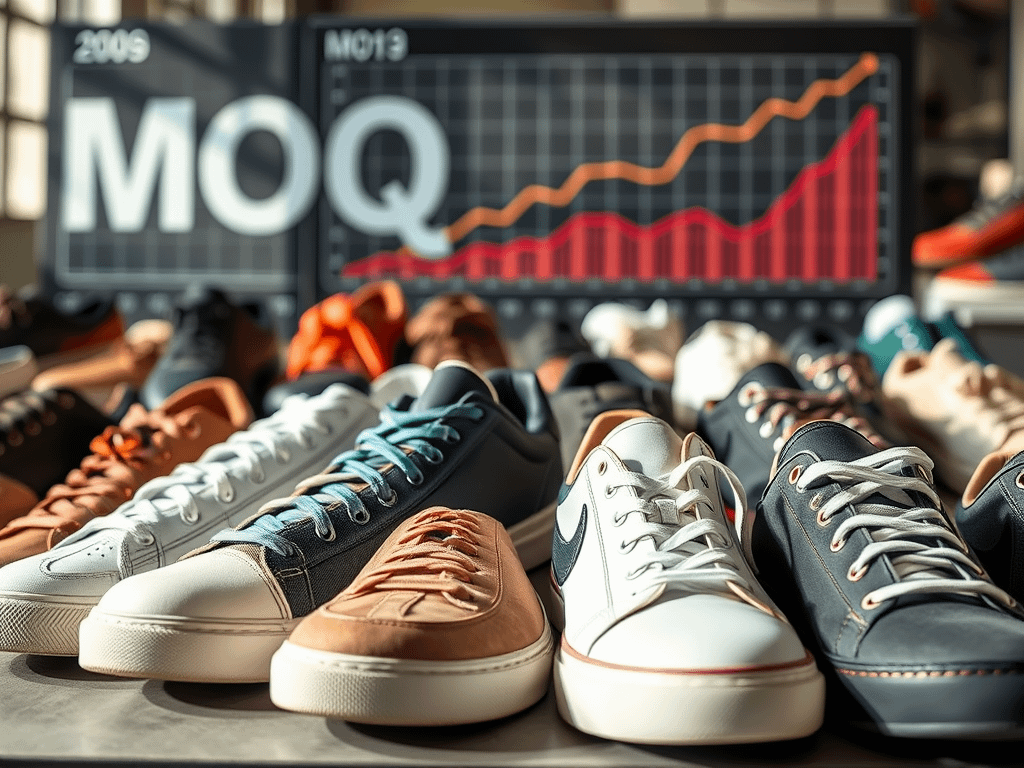
If you want to run a shoe brand, then you must know how custom manufacturers work. By knowing their work terms and especially MOQ, you can avoid costly mistakes and grow in the market. MOQ in shoe manufacturing is of great importance as it affects the budget, inventory, and scalability level. Here, we will discuss what it really means and how to deal with it.
What is MOQ?
It defines the minimum number of units a supplier needs to start production. It sets the baseline for an order.
If you are not satisfied with the MOQ the manufacturer offers, then it may increase costs or refuse to take the order. This rule helps to keep the deal fair and clear for both parties.
Benefits of MOQ
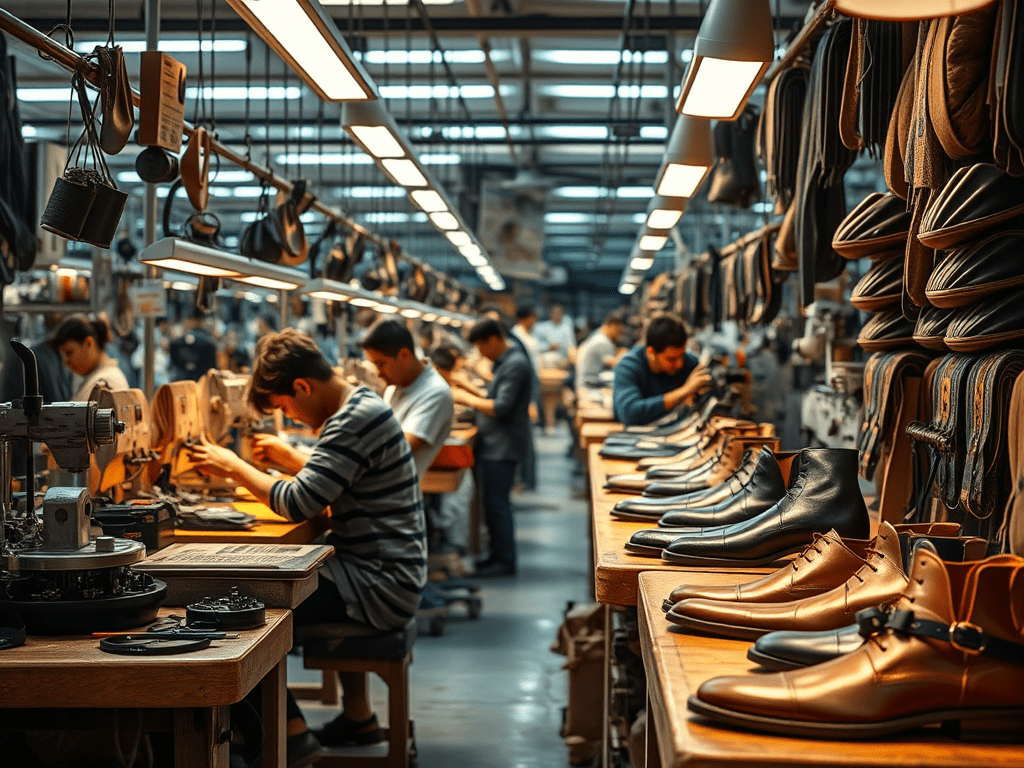
When used correctly, MOQ offers good value on both sides.
For Suppliers:
- More stable orders
- Lower per-unit cost
- Better work scheduling
- Less material waste
For Buyers:
- Lower price per pair
- Higher product consistency
- Easier access to scalable shoe production with low MOQ
- Stronger supplier relationships
- Faster turnaround time
Types of MOQ in Shoe Manufacturing
The minimal order quantity shoe manufacturing factory offers has three kinds:
- Unit-based – It refers to ordering a specific number of shoes, like 100 or 500 pairs. Some manufacturers offer custom sneaker manufacturing low‑MOQ options, which help startups to start fast.
- Value-based – In this type, the manufacturer expects a minimum spend. Like, they might need you to place an order worth $5000.
- Weight-based – Manufacturers use this type when an order contains the use of heavy or expensive materials. For example, a leather factory might need you to order at least 500kgs of material. That’s why MOQ thresholds for custom leather shoes are higher.
Importance of MOQ for Manufacturers
MOQ in private label shoe manufacturing helps suppliers to stay profitable. Here’s how:
- Economies of Scale: Making more shoes means less production cost.
- Production Efficiency: With large MOQ, machines run better and save time and labour.
- Material Procurement: Buying in bulk gives better prices, especially for the lowest MOQ in shoe manufacturing China.
- Quality Control: Larger orders allow smoother inspections and fewer mistakes.
- Financial Viability: A clear MOQ keeps the business sustainable for the supplier.
Impact of MOQ on Buyers
Brands often feel the pressure from MOQs. Here’s how it affects them:
- Cost Implications: A large order usually brings the price per unit down. But this means you need to spend more upfront. It’s smart to look at bulk vs small‑MOQ shoe orders comparison before deciding.
- Inventory Management: A large stock leads to storage issues. Some suppliers offer custom shoe production with flexible MOQ to help brands avoid these issues.
- Cash Flow Management: If you lock too much money into one big order, you might struggle with other business costs. To stay safe, try custom shoe manufacturing without high MOQ or use pre-orders.
What Influences MOQ?
Many things affect how factories set their MOQ. These include:
- Material type
- Custom features
- Factory location
- Equipment and setup needs
- Your expected order frequency
- Market trends
If you understand these, you can find a supplier who matches your goals. Brands looking for low MOQ custom shoe line often use this list to decide.
How to Calculate MOQ in Shoe Manufacturing?
Here’s a simple way to figure out the MOQ that works for your brand.
- Estimate how many shoes you plan to sell.
- Write down all costs, including materials, labor, shipping, and profit.
- Break costs into fixed and variable.
- Take your fixed cost and divide it by expected profit per pair.
- Check if the result matches your supplier’s MOQ requirements for custom footwear contracts. If not, adjust the product or pricing until it fits.
Best Strategies for Managing MOQs
MOQs can feel strict, but smart brands find ways to manage them. Here’s how to negotiate MOQs in shoe production:
1. Plan Order
Always talk with your supplier. Explain your growth plans and ask if they allow getting MOQ exceptions in shoe manufacturing. Many offer MOQ strategies for B2B shoe buyers who have long-term potential.
2. Group Purchasing
Join forces with other brands to place one big order together. This way, you unlock custom sneaker manufacturing low‑MOQ options without overbuying.
3. Inventory Forecasting
Know your sales trends. This helps you choose the right order size. It also lets you compare bulk vs small‑MOQ shoe orders comparison based on real numbers.
4. Supplier Diversification
Work with more than one factory. Try different locations like Portugal, China, or the minimum order quantities shoe factory Middle East to get better options.
Final Thoughts
MOQ in shoe manufacturing shapes the production, pricing, and growth. With the right manufacturers and smart planning, MOQ can help brands scale faster. So stay flexible, know your MOQ, and aim for long-term partnerships.

