
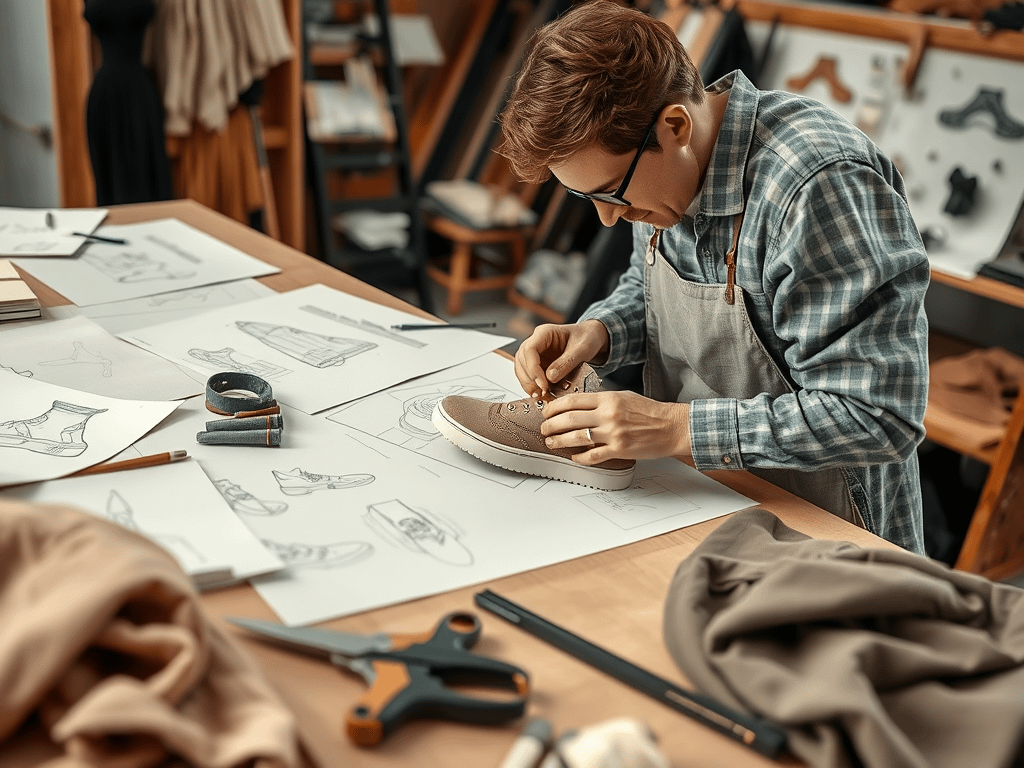
The samples play a crucial role in shoe manufacturing. With the footwear sampling process, design concepts are converted into physical products that can be checked and modified before full-scale production.
At this stage, creativity meets precision so that the final product meets the designer’s vision.
That’s why all the footwear brands rely on label shoe manufacturers for an effective sampling process.
In this blog, we will discuss everything that you should know about how to sample shoes before stepping into the shoe industry.
Types of Footwear Samples
There are different types of samples with unique purposes in footwear sampling. Each type deals with specific performance tests and quality checks.
1. Design Sample
The initial shoe sample design is the first physical representation of the concept. The design sample transforms sketches or digital designs into a shoe that the manufacturer can inspect physically. This is the crucial stage as it assesses style details, proportions, and shoe aesthetics before beginning production.
2. Fit Sample
It focuses on shoe comfort and sizing. The fit samples help to check if the shoe fits as intended across multiple sizes. This sample is important for ensuring user satisfaction and minimizing returns because of poor fit.
3. Sales Sample
It is made for presentations, marketing, and retail purposes. The sales sample allows brands to showcase the shoe to potential distributors and buyers before starting mass production.
4. Pre-Production Sample
It is very close to the final product. The pre-production shoe sample checks that all the materials, specifications, and construction methods meet the production standards or not.
Key Stages in the Footwear Sampling Process
Manufacturers use a strategic and structured footwear sampling process to bring the design into a product. Here are the steps involved in the shoe sample process:
1. Shoe Sample Design
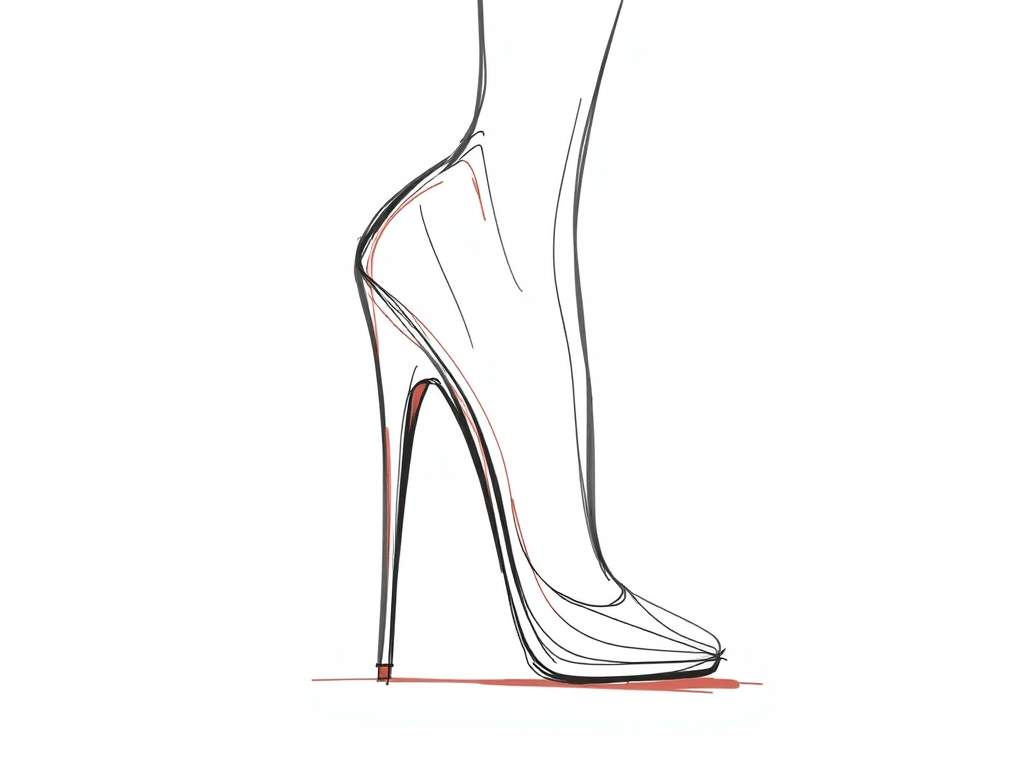
The process begins when the design team makes CAD files or digital sketches to outline the features of shoes. The focus on shoe structure, style, and proportions while sketching. Every detail on the shoe, like curve, stitch, or seam, is made to match the aesthetics of the brand and manufacturing capabilities. They ensure shoes have a practical structure, stylish appeal, and a comfortable fit. By deciding everything carefully in the beginning, they avoid costly changes during mass production.
2. Shoe Prototyping in Footwear Sampling Process
The footwear prototyping converts the approved design into its first touchable versions. The prototyping allows teams to see the construction, detailing, and real proportions in physical form. At this stage, a manufacturer highlights critical issues like comfort, assembly, and durability that are difficult to find in a digital model. With quick problem-solving, the manufacturer refines the design before moving forward. Shoe prototyping also allows taking early feedback from stakeholders.
3. Material Selection in Footwear Sampling Process
After prototype approval, the materials are picked that define the quality and performance of the shoes. Manufacturers tend to pick premium quality materials as they affect the shoe’s durability, flexibility, and appearance. Some common shoe material choices are leather and rubber, but the final choice is made as per the brand’s quality requirements and budget.
Once all the materials are selected, the factory shoe samples are created. These samples help to ensure that materials act as expected during cutting, stitching, and assembly. The testing team also ensures that the final product will feel right to the users and stand up to the daily wear and tear.
4. Bulk Shoe Sample Process
After the prototype approval, the manufacturer begins the bulk shoe sample process. Same tools, molds, and techniques are used for custom shoe samples that are intended to be used for full-scale production. This is the final sample check to ensure accuracy, consistency, and efficiency. Any defects or modifications found here can be corrected without risking the mass production run. This is also a crucial step for maintaining product quality across hundreds and thousands of shoe pairs.
5. Sample Testing and Evaluation
At this stage, a sample shoes manufacturer puts the samples through lab-based and real-world tests. The wear tests assess comfort, stress tests measure structural strength, and environmental tests check performance in diverse situations. The goal of this stage is to ensure the shoe meets the consumers’ expectations. Any shoe weakness identified here is addressed before moving to bulk production.
6. Shoe Sample Approval in Footwear Sampling Process
The shoe sample approval stage gives the green signal for mass production. All the brand managers, designers, and quality assurance teams review the final private label shoe samples in detail. They look for fit, finish, and minor specifications and make the production schedules if everything works fine.
Impact of Shoe Sample on the Final Product
With testing shoe samples, manufacturers can modify shoe designs, materials, and arch support. They ensure shoes function properly and look aesthetically appealing. The shoe samples impact the final product as they
- Ensure sizing and a comfortable structure so users get a perfect fit every time.
- Verify material quality and longevity to maintain smooth performance.
- Prevent costly errors in mass production through early detection of flaws.
- Allow accurate production timelines by resolving issues before manufacturing.
- Enhance brand trust through consistent quality that builds customer loyalty.
Challenges in the Footwear Sampling Process
Even with careful planning, the footwear sampling process can face certain challenges:
- Misalignment between the design vision and the manufactured sample
- Material availability issues are delaying production
- Fit discrepancies across different sizes
- Communication gaps between designers and manufacturers
- Budget constraints limit sample iterations
- Inconsistent quality from a sample shoe manufacturer
- Delays in shoe sample request fulfillment
- Adjustments needed for shoe samples to match brand requirements
- Modifications during the footwear development sample review before production starts
- Supplier capacity affects the delivery of sample shoes for brands
Summing Up
By understanding the footwear sampling process, brands can deliver quality shoes in the market and meet consumers’ expectations. By producing prototypes, manufacturers point out the hidden shoe flaws and try to quickly remove them to ensure smooth bulk production.
With their support and quality assurance, brands can confidently step into the market and create their unique images. They can constantly deliver quality shoes, encourage repeat sales, and grow easily in this competitive market.

