
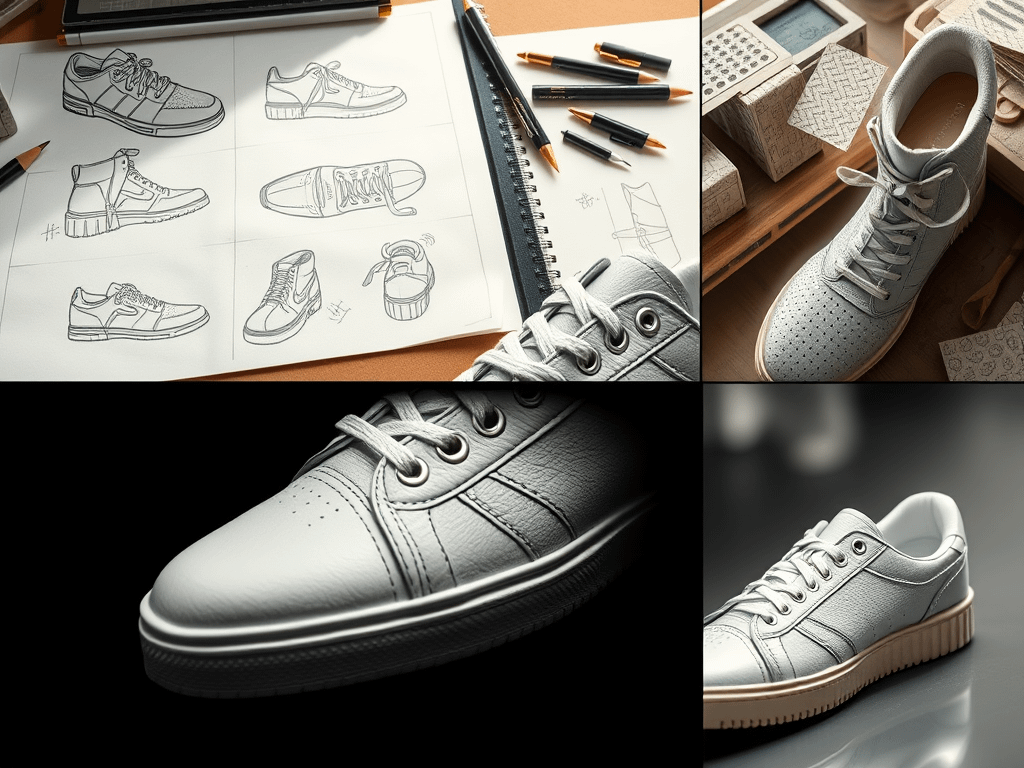
Shoe creation is a technical process that requires both creative and physical efforts. The raw shoe idea goes through multiple phases to become a real product that people can use. The shoe sample creation stages represent the sequences of quality-focused steps that convert the idea into a finished product.
Brands must know about these stages to get a clear view of how shoes are made. With this knowledge, brands can fulfill quality, function, and design requirements and make a better position in the competitive market.
A Walkthrough of Shoe Sample Creation Stages
The shoe sample stages include multiple checkpoints from the early idea to the approved product. Each phase has its importance, as skipping it can compromise quality and performance. Here is a close look at the phases that convert a raw concept into a functional product.
1. Prototype Development
The first step is to make a physical product from the design. It is often linked with the footwear prototyping steps.
At the prototyping phase, the design team converts the shoe sketches and 3D design models into a tangible product.
The prototype allows private label manufacturers to test shoe structure, arch support, fit, and overall style.
A shoe prototype sets the foundation for further modifications. That’s why it is the first stage of shoe sample development.
2. Custom Sample Creation
The manufacturer evaluates the shoe prototype and makes the required adjustments in design.
With the custom shoe sample process, manufacturers ensure the product perfectly aligns with the brand’s standards.
The team also ensures the sample fulfills comfort expectations and functional requirements. The footwear sample stages involve stitching, materials, and finishing trials.
With these trials, the team decides which quality material to pick, which stitching style to go with, and how to perform finishes on the shoe.
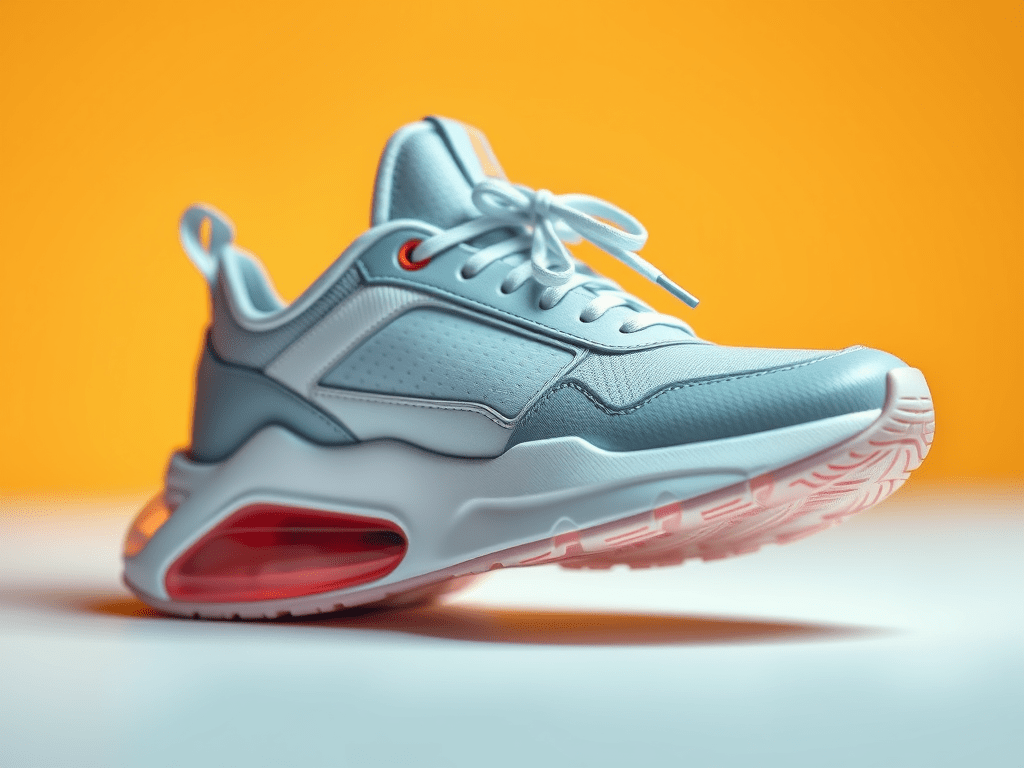
This stage in the sample shoe creation helps stakeholders to make modifications, as it gives a closer image of what the actual shoe will look like.
3. Pre-Production Sample
After the shoe prototype is finalized, the process moves to the pre-production shoe sample stage.
In this phase, manufacturers recreate the shoe design with realistic production conditions. With this version, the team will analyze how the design can transition into large-scale production.
Moreover, it highlights challenges in material sourcing, construction, or quality consistency. With the structured shoe prototyping process, manufacturers can identify weak points early and make the desired changes.
4. Design Review and Adjustments
The design team thoroughly reviews the footwear design sample. Their deep analysis helps them ensure that shoes can withstand wear and tear, look appealing, and are safe to use.
With reviews, manufacturers can make multiple revisions until the client is satisfied. The iterative nature of making shoe samples ensures every issue is considered, whether it comes from designers, engineers, or quality assurance specialists.
5. Testing Phase
The shoe sample goes through multiple trials and checks before moving to approval. The sample stages in footwear involve performance evaluations under various conditions, such as running, walking, and stress testing.
The sample approval process also goes through support, flexibility, and resistance tests to ensure users’ feet don’t hurt.
With these custom footwear sample stages, brands ensure the shoes deliver a consistent experience across multiple sizes and variations.
One of the critical checkpoints in the process is the shoe sample testing. This is because at this stage, materials, stitching, and adhesives are analyzed to guarantee safety and durable quality.
6. Final Approval
The shoe moves into the final stages after passing testing and revision phases. The product is now a complete representation of how it will appear in the shoe stores.
Brands set manufacturing timelines, availability, and cost. When the design reaches the footwear pre-production stages, the manufacturer aligns everything to begin the mass production.
Prototype approval marks the end of the shoe sample creation stages that ensure the shoe is ready for large-scale rollout.
Summing It All Up
The shoe sample creation stages use a structured approach. From raw concept to final prototype approval, everything is tested carefully to ensure the final product is fully functional and comfortable.
The design team not only ensures the appealing appearance, but also that the shoes offer better arch and foot support.
So that the user’s feet don’t hurt while walking or even running for a long time. By understanding the importance of each phase, brands can maintain quality standards and win customer trust while converting ideas into shoes.

